We use cookies to improve the use of our site. By continuing you agree to the use of cookies. You can find detailed information on Privacy and Cookie Policy.
You can select below which cookie categories you allow.
Necessary & Technical
Cookies required for the operation of the page. (Cannot be changed)
These cookies are required for the proper functioning of the site, security, session management, and basic features. They cannot be disabled.
Analytics
Visitor analytics
These cookies allow us to analyze how our site is used (number of visitors, most visited pages, user behavior). This data is used to measure website performance and continuously improve the user experience.
Advertising (Ads)
Advertising and ad measurement
These cookies allow us to show you personalized ads based on your interests and measure the effectiveness of our advertising campaigns (impressions, click-through rate).
Personalization
Content personalization
These cookies are used to ensure consistency and continuity of your experience on the platform by preserving your user interface settings, language preferences, and other configurations.
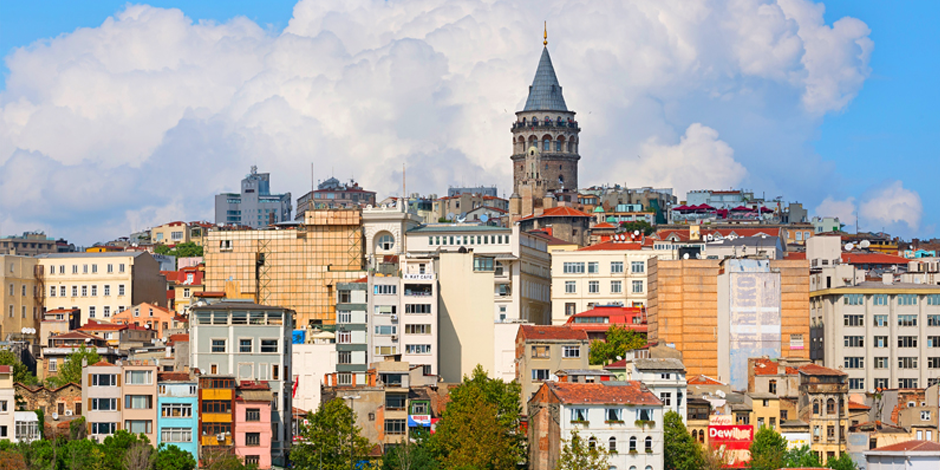
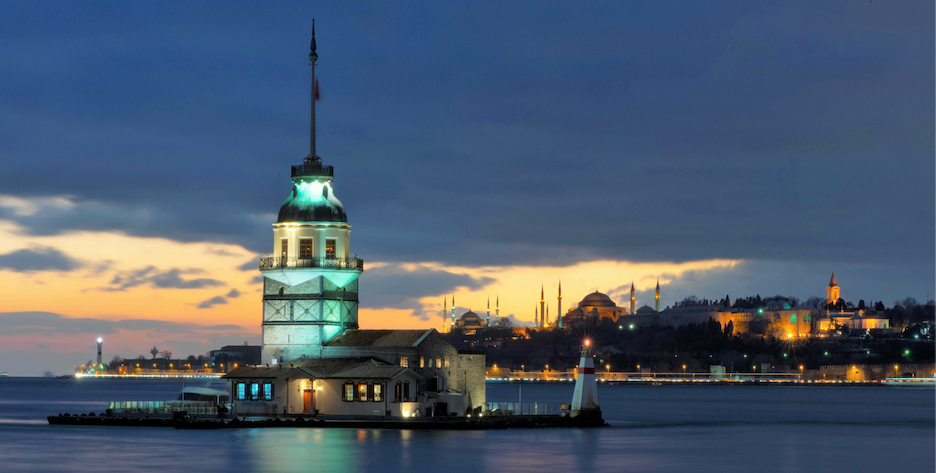
The history of Istanbul dates back 8500 years with the Neolithic age settlement that came to light with the excavations of Yenikapı Theodosius Harbor, and a new era was opened about the cultural, artistic, geological change and urban archeology that the city went through in this process.
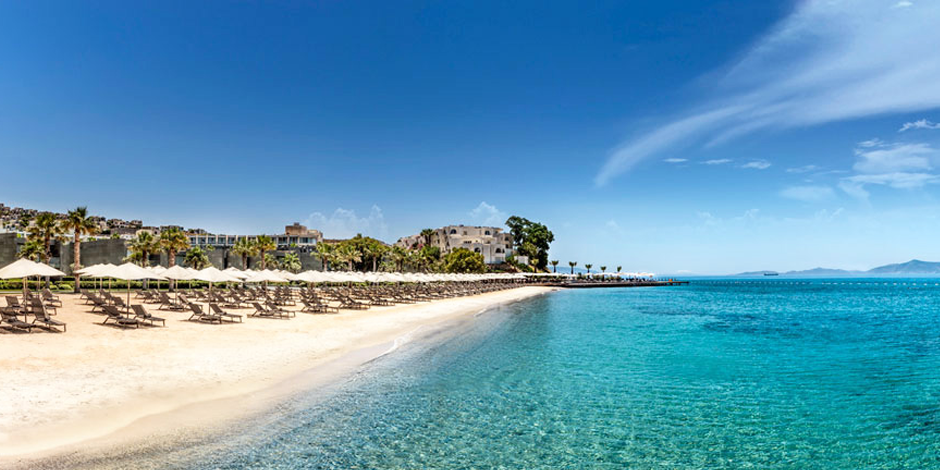
One of the criteria for coastal tourism is to have a blue flag. While Turkey was the 3rd country with the most blue flag beaches in 2014, it rose to the 2nd place in 2015. Spain is the 1st with 578 beaches, Turkey is the 2nd with 436 beaches, and Greece is the 3rd with 395 beaches.
There are 18 heritage sites in Turkey included in the World Heritage list by UNESCO. Also, there are 83 properties, 77 cultural, 3 natural and 3 mixed, on the World Heritage Tentative List.